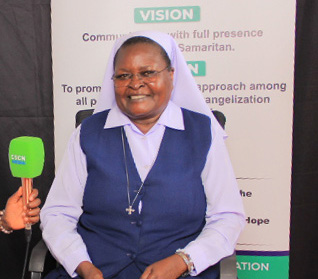
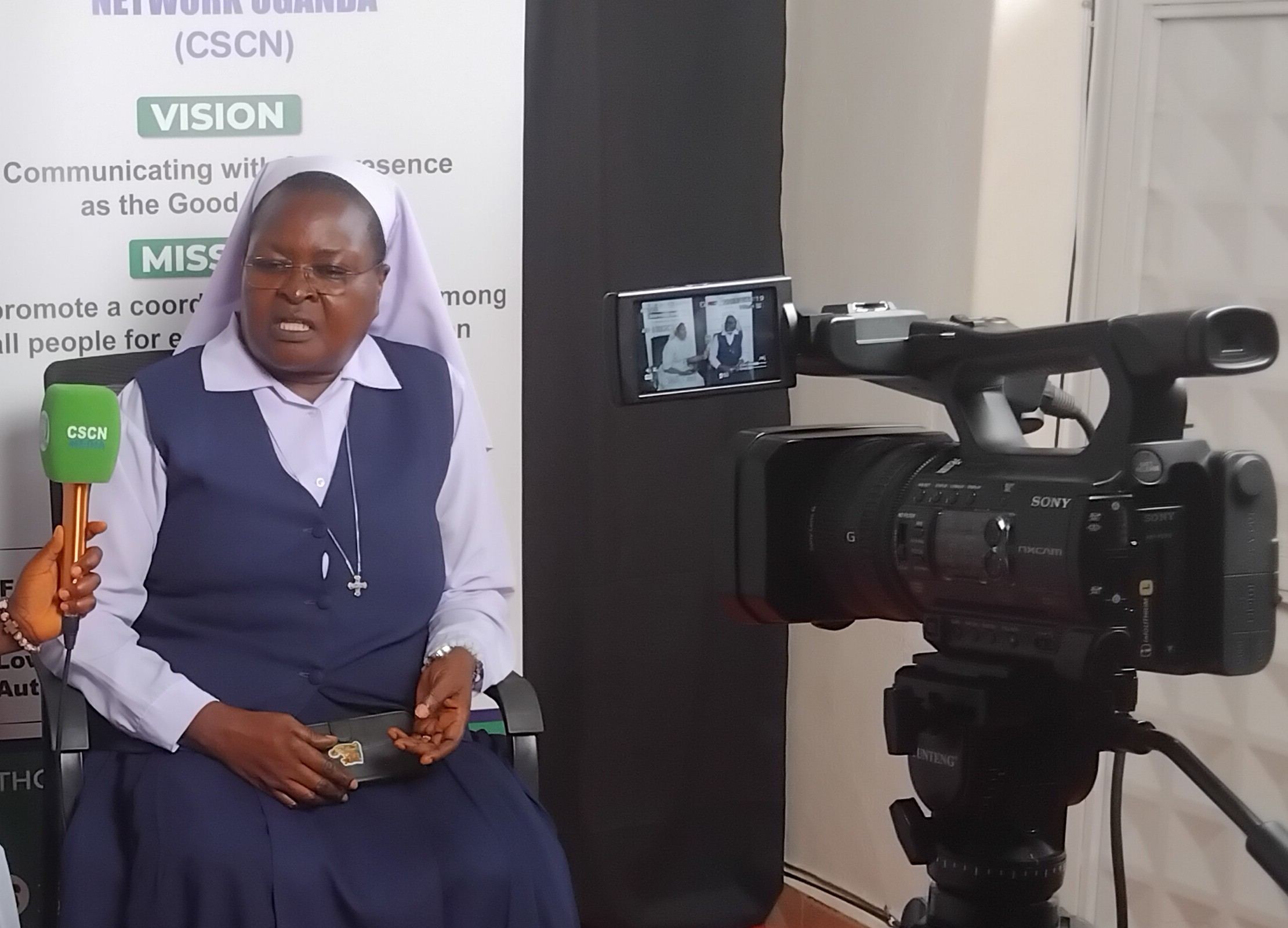
Behind Sister Jacinta’s years of service were personal sacrifices that listeners rarely saw. She recalls waking up at 4:00 a.m. to prepare for work so that she could reach the station by 6:00 a.m
At the time, she was experiencing physical difficulties that required her to move slowly. Nevertheless, she remained committed to her responsibilities, sometimes arriving early enough to open the station’s gates before other workers arrived.Her determination reflected a conviction that broadcasting was not simply employment but a missionary responsibility entrusted to her.
She acknowledges that work in the media does not always receive appreciation, even when considerable effort is invested.Yet her faith and commitment to service helped her persevere.
Years later, she continues to dedicate a particular day to praying for people working in the media, especially those serving at Radio Maria.Her experience illustrates the often-unseen contribution of religious sisters whose commitment, time and personal sacrifice have supported the development of Catholic communication institutions.
Thirty years later: A legacy of faith and service
Looking back at Radio Maria’s development, Sister Jacinta expresses gratitude for having participated in its early years.She remembers the period when recording programmes required cassette tapes, communication was difficult, and international meetings sometimes involved travelling to Italy.
Today, advances in digital communication have transformed the way radio stations operate, making recording, programme production and meetings more accessible.For Sister Jacinta, these changes demonstrate how far Catholic broadcasting has progressed.
However, she believes that technological advancement must remain connected to the original purpose of the radio: evangelisation, spiritual formation and service to people.Her advice to young people interested in media is to seek guidance from experienced practitioners, ask questions and learn through practical participation.
She encourages those entering the profession to appreciate the opportunities available today while recognising the sacrifices made by earlier generations.
Recognising the contribution of religious sisters
Sister Jacinta’s experience highlights an important dimension of the history of Catholic broadcasting in Uganda: the contribution of religious women who have served as communicators, organisers, programme coordinators and spiritual companions.
Their work has helped create spaces where communities can pray together, share knowledge, discuss social concerns and strengthen their relationship with the Church.Her testimony also raises a wider question about how the Church and society recognise the contributions of religious sisters whose service has often taken place quietly, away from public attention.
For Sister Jacinta, the greatest reward is not public recognition but the knowledge that Radio Maria continues to serve the people of God.Thirty years after its establishment, her story remains a reminder that the development of Catholic media has depended not only on technology and financial resources but also on people willing to dedicate their lives to a mission they believe in.